
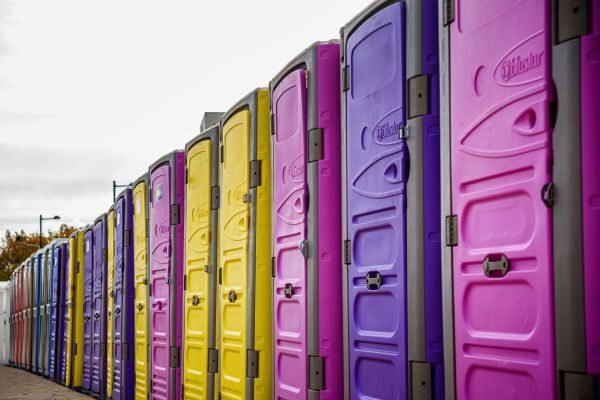
Event vs Construction Porta Potties
Event vs Construction Porta Potties refers to the comparison between portable toilets designed for short-term public gatherings and those built for long-term, high-frequency use on job sites. While both serve the same basic function, they are engineered, serviced, and regulated very differently. Choosing the wrong type can lead to poor sanitation, long lines, regulatory issues, or unnecessary costs.
This distinction matters because events prioritize guest experience, aesthetics, and accessibility, while construction sites focus on durability, compliance, and daily reliability. A wedding, festival, or concert has different needs than a commercial build or infrastructure project—even if the number of people is similar.
In this guide, you’ll learn the exact differences between event and construction porta potties, how each type works, what features and servicing schedules apply, and which regulations matter. We’ll also cover real-world scenarios, pros and cons, common misconceptions, and practical FAQs so you can confidently choose the right solution for your situation.
Direct Answer: Event vs Construction Porta Potties
Event porta potties are designed for short-term public use with an emphasis on cleanliness, appearance, and guest comfort, while construction porta potties are built for long-term, heavy daily use with a focus on durability, compliance, and efficiency.
Events typically require more units for shorter periods and higher servicing intensity, while construction sites require fewer units per person but consistent weekly servicing over longer durations.
In-Depth Breakdown
How Event Porta Potties Work
Event porta potties are planned around peak usage windows. Large numbers of people may use the restrooms within short timeframes—such as intermissions, meal breaks, or after performances.
Key characteristics include:
- Higher unit counts to reduce wait times
- Cleaner presentation and better ventilation
- Frequent servicing before, during, or after the event
- Options for handwashing stations and ADA access
Because events are temporary, reliability during a short window is critical.
How Construction Porta Potties Work
Construction porta potties are designed for predictable, repeated daily use by the same workforce. These units must withstand long-term exposure, rough handling, and weather extremes.
Key characteristics include:
- Fewer units per person, based on safety guidelines
- Heavy-duty materials
- Weekly servicing schedules
- Placement optimized for accessibility across the job site
Durability and compliance matter more than appearance.
Key Components That Differ
1. Usage Patterns
- Events: Short bursts of intense usage
- Construction: Steady daily usage
2. Servicing Frequency
- Events: Before/after or daily for multi-day events
- Construction: Typically once per week
3. Unit Types
- Events: Standard units, ADA units, luxury restroom trailers
- Construction: Standard job-site units, high-capacity units
4. Hygiene Expectations
- Events: High—guest satisfaction is critical
- Construction: Regulated—sanitary and functional
Variations and Types
Event Porta Potty Variations
- Standard portable toilets
- ADA-accessible units
- Handwashing stations
- Luxury restroom trailers with flushing toilets
Construction Porta Potty Variations
- Standard job-site units
- High-capacity units
- Units with hand sanitizer or handwash stations
- Cold-weather or insulated units
Real-World Examples & Use Cases
Wedding or Private Event
A wedding with 150 guests for 5 hours typically requires:
- 3–4 event porta potties
- At least one ADA-accessible unit
- Servicing before and after the event
Appearance and cleanliness are top priorities.
Music Festival
A multi-day festival with thousands of attendees may require:
- Dozens or hundreds of event units
- Daily or twice-daily servicing
- Strategic placement near stages and food areas
Residential Construction Site
A home build with 6 workers typically requires:
- 1 construction porta potty
- Weekly servicing
Durability and compliance matter more than aesthetics.
Commercial Construction Project
A large commercial build with 40 workers may require:
- 4 construction porta potties
- Weekly or twice-weekly servicing
Placement must ensure access across the job site.
Benefits, Pros & Cons
Event Porta Potties
Pros
- Better guest experience
- Reduced wait times
- Cleaner presentation
- Customizable layouts
Cons
- Higher short-term cost
- Requires precise planning
- More frequent servicing
Construction Porta Potties
Pros
- Cost-effective over time
- Durable and weather-resistant
- Meets workplace standards
- Predictable servicing schedules
Cons
- Basic design
- Limited comfort features
- Not suitable for public-facing events
Common Mistakes & Misconceptions
“All Porta Potties Are the Same”
They are not. Event and construction units are designed for entirely different usage patterns.
“Construction Units Are Fine for Events”
They often lack the cleanliness standards and volume capacity needed for public gatherings.
“Event Units Work for Long-Term Sites”
Event units are not built for months of exposure or daily heavy use.
“Luxury Units Replace Standard Units”
Luxury trailers improve comfort but do not replace the need for adequate unit counts.
“Servicing Is the Same for Both”
Events often require much more frequent servicing than construction sites.
Frequently Asked Questions
What does an event porta potty cost compared to construction units?
Event units typically cost more short-term due to higher servicing and logistics, while construction units are more cost-effective long-term.
How long can construction porta potties stay on-site?
They can remain on-site for months or years with proper weekly servicing.
Is it required to use different units for events and construction?
Not legally, but best practices and regulations strongly recommend using the appropriate type.
How do you choose the right option?
Consider duration, number of users, public access, and sanitation expectations.
Do events require ADA units?
Public events generally require ADA-accessible portable toilets.
Can you mix event and construction units?
Yes, but placement and servicing must match each unit’s use case.
Conclusion
Understanding Event vs Construction Porta Potties is essential for proper sanitation planning. While both are portable restrooms, they serve very different purposes. Events demand comfort, cleanliness, and high capacity over short periods, while construction sites require durable, compliant solutions for long-term daily use.
Choosing the right type reduces costs, prevents sanitation issues, and ensures a better experience for everyone involved. By matching the unit to the situation—not just the headcount—you can plan confidently and avoid common mistakes.