
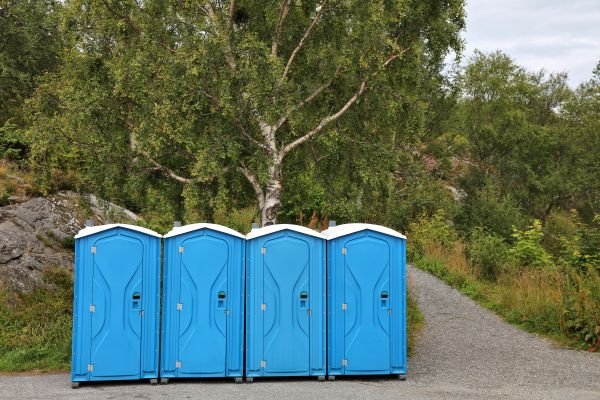
How Many Porta Potties Do You Need
How Many Porta Potties Do You Need is one of the most common—and most important—questions people ask when planning an event, managing a construction site, or organizing any gathering without permanent restrooms. The answer matters because having too few units creates long lines, sanitation issues, and unhappy guests or workers, while having too many can unnecessarily increase costs.
Portable restroom planning is not guesswork. It is based on attendance numbers, duration, alcohol consumption, servicing frequency, and regulatory guidelines. Misjudging even one of these factors can lead to overcrowding, hygiene problems, or compliance risks.
In this guide, you’ll learn exactly how to determine the correct number of porta potties for any situation. We’ll break down the core calculation, explain the factors that change the numbers, walk through real-world examples, clarify common misconceptions, and answer the most frequently asked questions. By the end, you’ll be able to confidently plan portable restrooms for events, job sites, and temporary locations of any size.
Direct Answer: How Many Porta Potties Do You Need?
The number of porta potties you need depends on how many people will attend, how long they’ll be there, whether alcohol is served, and how often the units are serviced.
As a general guideline:
- For events lasting up to 4 hours, plan 1 porta potty per 50 people
- For events longer than 4 hours, increase capacity or servicing
- Add more units if alcohol is served
- Construction sites typically require 1 unit per 10 workers per week
This baseline ensures reasonable wait times, proper sanitation, and compliance with safety expectations.
In-Depth Breakdown
How Porta Potty Planning Works
Porta potty planning is based on usage cycles—how often a unit can be used before it needs servicing. Each portable toilet can handle a limited number of uses per day. When that limit is exceeded, cleanliness declines rapidly.
The goal is to balance:
- User demand
- Duration of use
- Servicing schedule
This creates a predictable, sanitary restroom experience.
Key Factors That Affect the Number You Need
1. Number of People
The total number of attendees or workers is the foundation of every calculation. Higher attendance means higher usage frequency.
2. Event Duration
Longer events require either:
- More units, or
- More frequent servicing
A four-hour event and a ten-hour event with the same attendance will not need the same number of restrooms.
3. Alcohol Consumption
Alcohol increases restroom usage significantly. Industry standards recommend increasing the number of units by 15–30% when alcohol is served.
4. Gender Ratio
Women typically use restrooms more frequently and for longer periods. Events with a higher percentage of female attendees may require additional units.
5. Servicing Frequency
If units are serviced daily or multiple times per day, fewer units may be required. Weekly servicing requires more capacity upfront.
6. Type of Event or Site
Different situations have different expectations:
- Weddings and formal events need higher comfort standards
- Construction sites prioritize durability and compliance
- Festivals require higher volume and redundancy
Variations by Use Case
Events
Events focus on guest experience, wait times, and cleanliness.
Construction Sites
Construction sites focus on workforce compliance, safety, and daily usage patterns.
Long-Term Installations
Temporary locations over weeks or months require consistent servicing and predictable capacity.
Real-World Examples & Use Cases
Outdoor Wedding (100 Guests, 4 Hours)
- Base rule: 1 unit per 50 people
- Calculation: 2 standard units
- Adjustment: Add 1 more unit for comfort
Total: 3 porta potties
Festival (500 People, 8 Hours, Alcohol Served)
- Base rule: 10 units
- Duration increase: +20%
- Alcohol factor: +20%
Total: 14–15 units
Construction Site (20 Workers, 40-Hour Week)
- OSHA guideline: 1 unit per 10 workers
Total: 2 porta potties, serviced weekly
Sporting Event (300 Attendees, 6 Hours)
- Base rule: 6 units
- Duration increase: +2 units
Total: 8 units
Emergency or Disaster Response Site
Emergency sites often exceed standard usage. Additional units are added proactively to prevent sanitation breakdowns.
Benefits, Pros & Cons
Benefits of Proper Planning
- Shorter restroom lines
- Better hygiene
- Improved guest or worker satisfaction
- Fewer emergency service calls
Pros
- Predictable sanitation management
- Easier compliance with regulations
- Better overall experience
Cons
- Underestimating needs causes sanitation issues
- Overestimating can increase costs
- Poor planning leads to last-minute adjustments
Balanced planning minimizes both risk and expense.
Common Mistakes & Misconceptions
“One Porta Potty Is Enough”
This is one of the most common misconceptions. One unit can quickly become overwhelmed, even at small gatherings.
“Servicing Doesn’t Matter”
Servicing frequency is critical. A well-serviced unit performs better than multiple neglected ones.
“All Events Follow the Same Rule”
A wedding, a construction site, and a festival all require different planning assumptions.
“Alcohol Doesn’t Change the Numbers”
Alcohol significantly increases usage. Ignoring this leads to long lines and poor sanitation.
“Bigger Units Replace Multiple Standard Units”
Luxury or ADA units do not replace volume needs. They supplement, not substitute, capacity.
Frequently Asked Questions
What does it cost to add more porta potties?
Costs vary by location and unit type, but adding units is usually cheaper than emergency servicing or guest dissatisfaction.
How long can one porta potty last without servicing?
Typically up to one week under normal use, but high traffic can require daily servicing.
Is it legally required to have a certain number?
Construction sites often follow workplace safety guidelines. Events may have local health requirements.
How do you choose the right mix of units?
Combine standard units with ADA-accessible and handwashing stations based on audience needs.
Do luxury restrooms reduce the total number needed?
They improve comfort but do not significantly reduce total unit count for large crowds.
What if attendance changes last minute?
It’s best to plan with a buffer of 10–20% to handle unexpected increases.
Conclusion
Determining How Many Porta Potties Do You Need is a practical planning exercise based on attendance, duration, servicing, and usage patterns—not guesswork. Using proven guidelines helps prevent sanitation issues, long lines, and unnecessary stress.
By understanding the core calculation, adjusting for real-world factors, and avoiding common mistakes, you can confidently plan portable restrooms for any event or site. Thoughtful preparation ensures cleanliness, compliance, and a smoother experience for everyone involved.