
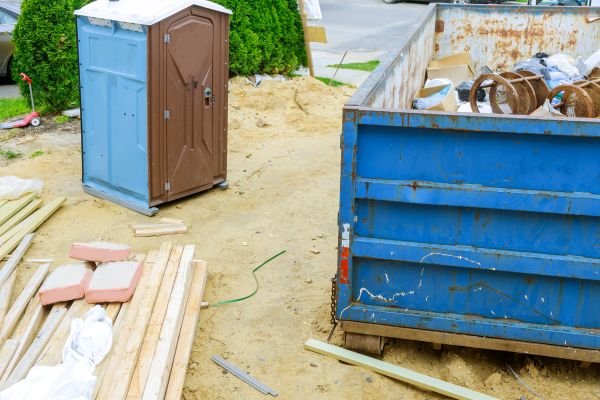
Hurricane-Ready Porta Potty Rentals
Hurricane-Ready Porta Potty Rentals refer to portable sanitation solutions specifically planned, staged, and serviced to function before, during, and after hurricanes and major tropical storms. When power outages, flooding, infrastructure damage, and water system failures occur, access to safe sanitation becomes a critical public health need. Standard restroom access is often disrupted for days or weeks, making portable toilets an essential part of disaster preparedness and response.
This topic matters because improper sanitation during hurricanes can quickly lead to health hazards, environmental contamination, and unsafe living conditions for residents, emergency responders, utility crews, and relief organizations. Planning sanitation after a storm is far more difficult—and riskier—than preparing in advance with hurricane-ready equipment and logistics.
In this guide, you’ll learn what makes porta potty rentals hurricane-ready, how these systems are deployed, what components matter most, and how requirements differ for emergency response, construction recovery, and temporary housing. We’ll also explore real-world use cases, benefits and trade-offs, common misconceptions, and key FAQs so you can understand how hurricane-ready sanitation planning works in practice.
Direct Answer: What Are Hurricane-Ready Porta Potty Rentals?
Hurricane-ready porta potty rentals are portable sanitation units that are pre-positioned, secured, and serviced using disaster-response protocols to ensure continued access to safe restrooms when permanent infrastructure is damaged or unavailable during hurricanes.
They emphasize rapid deployment, stability, flood resilience, frequent servicing, and coordination with emergency operations to prevent sanitation breakdowns during and after storms.
In-Depth Breakdown
How Hurricane-Ready Porta Potty Rentals Work
Hurricane-ready sanitation planning begins before a storm makes landfall. Providers and emergency planners anticipate loss of water, sewage, and electricity, then stage portable restrooms in strategic locations for immediate deployment.
These rentals operate under emergency logistics principles:
- Units are delivered early or staged nearby
- Placement avoids flood-prone or unstable ground
- Servicing schedules are intensified
- Units are secured against high winds
- Waste removal plans adapt to road closures and access limits
The objective is uninterrupted sanitation access during the most disruptive phases of a hurricane.
Key Components of Hurricane-Ready Rentals
1. Durable, High-Capacity Units
Hurricane-ready porta potties are typically:
- Heavy-duty units with reinforced walls
- Designed to withstand wind and debris
- Equipped with large waste holding tanks
Higher capacity reduces overflow risk when servicing is delayed.
2. Anchoring and Stabilization
Units must be:
- Properly weighted or staked
- Positioned to reduce wind exposure
- Placed on stable, elevated surfaces when possible
Unsecured units can tip, spill waste, or become dangerous debris during storms.
3. Strategic Placement Planning
Placement focuses on:
- Accessibility for emergency crews
- Distance from flood zones and drainage paths
- Proximity to shelters, hospitals, and staging areas
Good placement minimizes contamination risks and improves usability.
4. Emergency Servicing Protocols
Servicing plans adjust for:
- Limited road access
- Fuel shortages
- High usage volumes
Providers often use mobile servicing routes and contingency pumping schedules.
Factors That Influence Hurricane-Ready Deployment
Storm Severity
Stronger storms require:
- More units
- Heavier anchoring
- Longer post-storm support timelines
Population Density
Urban areas and shelters need higher restroom density than rural zones.
Duration of Infrastructure Outage
Longer power and water outages demand extended servicing contracts.
User Groups
Different groups have different needs:
- Residents
- First responders
- Utility repair crews
- Disaster relief volunteers
Each group may require dedicated sanitation zones.
Variations and Types of Hurricane-Ready Units
Standard Emergency Porta Potties
Used for:
- Neighborhood access
- Temporary public areas
- Short-term response
High-Capacity Units
Designed for:
- Shelters
- Command centers
- Large crews
ADA-Accessible Units
Required for:
- Public shelters
- Community distribution sites
- Medical facilities
Handwashing and Hygiene Stations
Critical when:
- Water systems are compromised
- Disease prevention is a priority
Real-World Examples & Use Cases
Community Shelters
After a hurricane, shelters often host hundreds of people. Hurricane-ready porta potties:
- Supplement or replace damaged restroom systems
- Include ADA-accessible units
- Require daily or twice-daily servicing
These setups reduce sanitation-related health risks.
Utility and Infrastructure Repair Crews
Electric, water, and telecommunications crews work long hours in damaged areas. Portable sanitation:
- Keeps crews productive
- Reduces travel time to find facilities
- Supports multi-week recovery operations
Units are often clustered near staging yards and work zones.
Temporary Housing and FEMA Sites
When residents are displaced:
- Portable restrooms serve temporary housing areas
- Units remain on-site for weeks or months
- Servicing schedules evolve as population levels change
Disaster Relief Command Centers
Emergency operations centers rely on:
- Reliable, high-capacity units
- Dedicated servicing schedules
- Stable placement near command facilities
Sanitation reliability supports sustained emergency coordination.
Benefits, Pros & Cons
Benefits of Hurricane-Ready Porta Potty Rentals
- Maintains public health during infrastructure failure
- Reduces contamination and disease risk
- Supports emergency response efficiency
- Provides dignity and safety for affected populations
Pros
- Rapid deployment capability
- Flexible placement options
- Scalable based on need
- Operates without water or power
Cons
- Requires advance planning
- Higher servicing intensity
- Limited servicing access during peak storm conditions
- Placement constraints in flooded areas
Despite limitations, portable sanitation remains one of the most reliable solutions during hurricane response.
Common Mistakes & Misconceptions
“Porta Potties Can Be Deployed After the Storm”
Post-storm deployment is often delayed by debris, flooding, and road closures. Pre-staging is critical.
“Any Portable Toilet Is Hurricane-Ready”
Standard units without anchoring, planning, or servicing protocols are not suitable for hurricane conditions.
“Sanitation Isn’t a Priority During Emergencies”
Sanitation failures quickly lead to public health emergencies, compounding disaster impacts.
“Units Don’t Need Servicing During Storms”
High usage and heat increase servicing needs—even during active response periods.
“One Setup Works for All Situations”
Shelters, crews, and communities require different configurations and servicing strategies.
Frequently Asked Questions
What does hurricane-ready porta potty rental cost?
Costs vary based on unit type, duration, servicing frequency, and deployment logistics, often higher than standard rentals due to emergency response demands.
How long do hurricane-ready porta potties stay on-site?
They may remain for days, weeks, or months depending on infrastructure recovery timelines.
Are they required by law during hurricanes?
While not always legally mandated, sanitation is often required by emergency management agencies and public health guidelines.
How do you choose the right number of units?
Planning considers population size, usage patterns, duration, and servicing access, with added safety margins.
Can they be serviced during active storms?
Servicing may pause during unsafe conditions but resumes as soon as access allows.
Do they replace permanent restrooms?
They supplement or temporarily replace permanent facilities until systems are restored.
Conclusion
Hurricane-Ready Porta Potty Rentals are a critical component of disaster preparedness and response, ensuring safe sanitation when water, sewer, and power systems fail. These solutions rely on advance planning, durable equipment, secure placement, and adaptive servicing strategies to function under extreme conditions.
By understanding how hurricane-ready sanitation works and why it matters, communities, agencies, and organizations can reduce health risks, support emergency responders, and maintain basic dignity during some of the most challenging circumstances. Prepared sanitation planning is not optional—it is a foundational element of effective hurricane resilience.