
Porta Potty Regulations Southeast
Porta Potty Regulations Southeast refers to the rules, standards, and guidelines that govern how portable toilets must be provided, placed, maintained, and serviced across Southeastern U.S. states. These regulations exist to protect public health, ensure worker safety, and maintain sanitary conditions at construction sites, events, disaster response areas, and temporary locations where permanent restrooms are unavailable.
Understanding these regulations matters because non-compliance can lead to fines, project delays, failed inspections, or shutdowns—especially on construction sites and permitted events. Requirements can vary depending on use case (construction vs. events), duration, number of users, and local health authority oversight. Federal standards may apply in some cases, while state and county rules add additional layers of compliance.
In this guide, you’ll learn exactly what porta potty regulations apply in the Southeast, how they work in practice, which agencies enforce them, and how requirements differ for construction sites, events, and emergencies. We’ll also cover common mistakes, real-world scenarios, and frequently asked questions so you can plan confidently and stay compliant.
Direct Answer: What Are Porta Potty Regulations in the Southeast?
Porta potty regulations in the Southeast require portable toilets to be provided in sufficient numbers, maintained in sanitary condition, serviced regularly, and placed according to safety and accessibility standards set by federal, state, and local authorities.
Most Southeastern states follow federal OSHA requirements for construction sites, local health department rules for public events, and ADA accessibility standards where applicable. While details vary by jurisdiction, the core requirements are consistent: adequate quantity, proper servicing, safe placement, and hygienic conditions.
In-Depth Breakdown
How Porta Potty Regulations Work
Porta potty regulations operate across three levels of oversight:
- Federal standards – Primarily from OSHA and ADA
- State regulations – Health and labor departments
- Local enforcement – County or city health authorities
Compliance typically depends on how the portable toilets are being used, not just where they are located.
Core Regulatory Bodies Involved
OSHA (Occupational Safety and Health Administration)
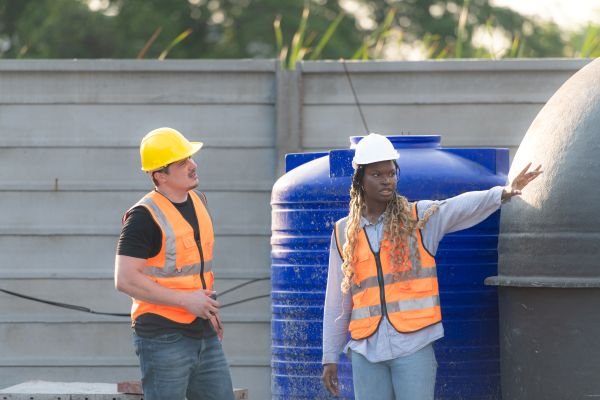
OSHA governs portable toilet requirements on construction and industrial job sites. These rules apply uniformly across the Southeast.
Key OSHA requirements include:
- A minimum number of toilets based on worker count
- Toilets must be readily accessible
- Units must be sanitary and maintained
- Separate facilities when required by workforce composition
Local and State Health Departments
Health departments regulate:
- Public events
- Festivals
- Temporary gatherings
- Food-service-related events
They often issue permits that specify:
- Required number of units
- Servicing frequency
- Handwashing or sanitation stations
- Placement restrictions
ADA (Americans with Disabilities Act)
ADA rules apply nationwide and require:
- At least one ADA-compliant unit when portable toilets are provided to the public
- Proper placement for wheelchair access
- Adequate turning radius and ground stability
Key Regulatory Components
1. Minimum Number of Units
Most regulations rely on established ratios:
- Construction sites: typically 1 unit per 10 workers (OSHA)
- Events: commonly 1 unit per 50 attendees (local guidelines)
2. Servicing and Maintenance
Regulations require that units:
- Be cleaned regularly
- Be stocked with toilet paper
- Be pumped before reaching capacity
- Remain odor-controlled and sanitary
Servicing frequency increases with usage volume and duration.
3. Placement Rules
Portable toilets must be:
- Easily accessible
- Located on stable, level ground
- Positioned away from food preparation areas
- Placed to allow safe servicing access
4. Handwashing and Hygiene
Many Southeastern jurisdictions require:
- Handwashing stations at food-related events
- Soap, water, or sanitizer availability
- Enhanced hygiene measures during emergencies or health advisories
Variations Across the Southeast
While the regulatory framework is similar, enforcement varies by state and county:
- Urban counties often have stricter permit conditions
- Coastal and tourist-heavy regions may require additional units
- Disaster-prone areas enforce emergency sanitation rules more aggressively
Local health departments always have final authority.
Real-World Examples & Use Cases
Construction Sites
A 25-worker construction site in the Southeast must provide:
- At least 3 portable toilets
- Regular weekly servicing
- Immediate access during working hours
Failure to comply can result in OSHA citations.
Festivals and Public Events
A 1-day festival with 500 attendees typically requires:
- 10–12 standard units
- At least 1 ADA-accessible unit
- Handwashing stations
- Approved placement per permit
Local inspectors often verify compliance on-site.
Disaster Relief Operations
After storms or floods:
- Emergency sanitation units are required
- Higher servicing frequency applies
- Placement prioritizes accessibility and safety
Regulations may be temporarily modified but not eliminated.
Long-Term Temporary Sites
Sites operating longer than 30 days may face:
- Stricter servicing schedules
- Additional inspection requirements
- Expanded hygiene provisions
Benefits, Pros & Cons
Benefits of Regulatory Compliance
- Protects public health
- Reduces liability and fines
- Ensures project continuity
- Improves worker and attendee satisfaction
Pros
- Clear standards simplify planning
- Predictable enforcement frameworks
- Consistent sanitation quality
Cons
- Regulations vary by locality
- Permits may require lead time
- Non-compliance penalties can be costly
Understanding the rules upfront minimizes risk.
Common Mistakes & Misconceptions
“One Rule Applies Everywhere”
Local health departments often impose additional requirements beyond federal standards.
“Construction and Events Follow the Same Rules”
They do not. OSHA governs construction sites, while events fall under health departments.
“ADA Units Are Optional”
If the public is invited, ADA compliance is typically mandatory.
“Servicing Is Optional for Short Events”
Even single-day events may require servicing if attendance is high.
“Regulations Don’t Apply in Emergencies”
Emergency situations still require sanitation—often with heightened scrutiny.
Frequently Asked Questions
Is a permit required for porta potties in the Southeast?
Permits are usually required for public events, but not always for private construction sites.
How often must portable toilets be serviced?
Typically weekly, but high-use locations may require daily servicing.
Are handwashing stations mandatory?
They are often required for food service events and recommended elsewhere.
What happens if regulations are not followed?
Consequences may include fines, stop-work orders, or permit revocation.
Do residential projects have regulations?
Private residential use is usually exempt, but local nuisance laws may apply.
Who enforces these regulations?
OSHA, state labor agencies, and county health departments enforce compliance.
Conclusion
Porta Potty Regulations Southeast are designed to ensure sanitation, safety, and accessibility wherever portable restrooms are used. While federal standards provide a baseline, state and local rules ultimately determine compliance requirements for construction sites, events, and emergency operations.