
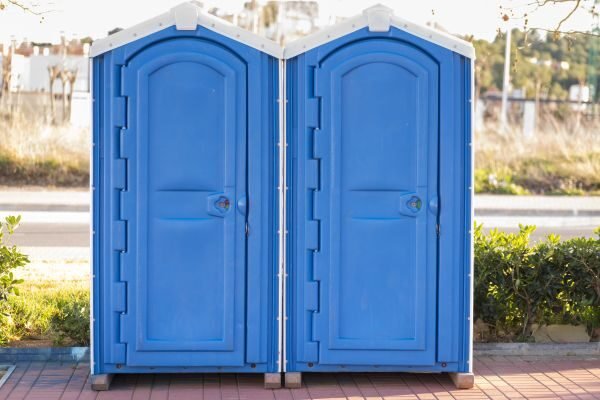
How Often Are Porta Potties Serviced
How Often Are Porta Potties Serviced is a critical question for anyone planning an event, managing a construction site, or overseeing a temporary location where portable restrooms are required. Servicing frequency directly affects cleanliness, odor control, user satisfaction, and regulatory compliance. Too little servicing can lead to unsanitary conditions and complaints, while excessive servicing may create unnecessary costs.
Portable toilets are designed to handle a specific amount of use before they must be cleaned, pumped, and restocked. How quickly that limit is reached depends on several variables, including the number of users, duration of use, event type, and whether handwashing or additional sanitation features are included.
In this guide, you’ll learn exactly how porta potty servicing works, the standard servicing schedules used across the industry, and the factors that change how often units should be cleaned. We’ll also walk through real-world examples, explain the benefits and drawbacks of different schedules, clear up common misconceptions, and answer the most frequently asked questions—so you can plan with confidence and avoid sanitation problems.
Direct Answer: How Often Are Porta Potties Serviced?
Most porta potties are serviced once per week under normal use, but high-traffic locations may require servicing multiple times per week or even daily.
Weekly servicing is the industry standard for construction sites and moderate-use installations. Events, festivals, emergency response sites, and high-attendance locations often require more frequent service to maintain sanitary conditions and prevent overflow or odor issues.
In-Depth Breakdown
How Porta Potty Servicing Works
Porta potty servicing is a structured sanitation process designed to restore each unit to a clean, usable condition. Servicing is performed by trained technicians using specialized equipment.
A standard service visit typically includes:
- Pumping waste from the holding tank
- Cleaning and sanitizing interior surfaces
- Restocking toilet paper and supplies
- Refilling deodorizer and treatment chemicals
- Inspecting the unit for damage or issues
This process ensures the unit remains hygienic and functional for continued use.
Key Components That Determine Servicing Frequency
1. Number of Users
The more people using a porta potty, the faster it fills and the more frequently it must be serviced. A unit used by 10 workers per day behaves very differently than one used by hundreds of event attendees.
2. Duration of Use
Longer installations accumulate waste over time. A one-day event may only need pre- and post-event service, while a multi-week project requires ongoing maintenance.
3. Type of Use
Different use cases place different demands on units:
- Construction sites create steady daily usage
- Events produce short bursts of very high usage
- Emergency sites often exceed standard assumptions
4. Local Regulations and Standards
Some jurisdictions or contracts require minimum servicing frequencies, regardless of usage volume.
5. Weather and Environmental Conditions
High heat accelerates odor buildup and chemical breakdown, often requiring more frequent service in summer months.
Common Servicing Schedules by Use Case
Construction Sites
- Standard schedule: Once per week
- High workforce sites: Twice per week or more
This aligns with workplace sanitation expectations and safety guidelines.
One-Day Events
- Typical schedule: Before and after the event
- Large events: Mid-event servicing may be required
Multi-Day Events and Festivals
- Typical schedule: Daily servicing
Large crowds and continuous use make daily service essential.
Long-Term Installations
- Typical schedule: Weekly, adjusted based on usage
Extended projects may need flexible schedules as activity levels change.
Emergency and Disaster Response
- Typical schedule: Daily or multiple times per day
High demand and health considerations require aggressive servicing.
Variations in Servicing by Unit Type
Standard Portable Toilets
Most common units follow weekly servicing under normal conditions.
ADA-Accessible Units
Often require the same or slightly higher servicing frequency due to higher usage time per visit.
Units with Handwashing Stations
Handwashing stations may require additional maintenance for water supply and wastewater tanks.
Luxury or Flushable Units
These units often require more frequent servicing due to water usage, mechanical systems, and higher cleanliness expectations.
Real-World Examples & Use Cases
Residential Construction Project
A home build with 5–8 workers typically uses:
- 1 porta potty
- Serviced once per week
This schedule maintains cleanliness without unnecessary cost.
Commercial Construction Site (30 Workers)
- 3 portable toilets
- Serviced twice per week
Increased workforce requires more frequent pumping and cleaning.
Wedding (150 Guests, 6 Hours)
- 3–4 units
- Serviced before and after the event
If alcohol is served, an additional service may be scheduled.
Music Festival (2,000 Attendees, 3 Days)
- Multiple units
- Serviced daily or twice daily
High volume and continuous use demand aggressive sanitation.
Disaster Relief Camp
- Units serviced daily
- Emergency response teams monitor usage closely
Public health considerations override standard schedules.
Benefits, Pros & Cons
Benefits of Proper Servicing Frequency
- Maintains sanitary conditions
- Reduces odors and complaints
- Prevents overflow and downtime
- Improves user experience
Pros
- Predictable sanitation management
- Compliance with safety and health expectations
- Lower risk of emergency servicing
Cons
- Increased servicing raises costs
- Over-servicing may be unnecessary in low-use situations
- Under-servicing leads to hygiene failures
The key is matching service frequency to real usage.
Common Mistakes & Misconceptions
“Once a Week Is Always Enough”
Weekly service works only under normal use. High-traffic locations often exceed that threshold quickly.
“Events Don’t Need Servicing”
Even single-day events can overwhelm units without proper planning.
“Odor Means It Needs Pumping”
Odor can result from heat or ventilation issues, not just tank capacity.
“More Units Eliminate the Need for Servicing”
Additional units help, but servicing is still required over time.
“All Providers Use the Same Schedule”
Servicing frequency is customizable and should be adjusted to site conditions.
Frequently Asked Questions
What does porta potty servicing cost?
Costs vary by location and frequency, but more frequent servicing increases overall rental cost.
How long can a porta potty go without servicing?
Under light use, up to one week. Heavy use can require daily service.
Is servicing legally required?
Many construction and public-use sites are subject to sanitation standards that imply regular servicing.
How do you choose the right servicing schedule?
Estimate daily usage, event duration, and local expectations, then build in a safety margin.
Can servicing be increased mid-rental?
Yes. Schedules can be adjusted if usage exceeds expectations.
Do handwashing stations affect servicing needs?
Yes. Water and wastewater tanks may require more frequent maintenance.
Conclusion
Understanding How Often Are Porta Potties Serviced is essential for maintaining hygiene, comfort, and compliance. While weekly servicing is the industry baseline, real-world conditions often require more frequent attention—especially at events, high-traffic sites, and emergency operations.
By matching servicing frequency to actual usage, planners and site managers can prevent sanitation issues, control costs, and ensure a positive experience for everyone. Thoughtful planning and flexible scheduling are the keys to keeping portable restrooms clean, functional, and reliable.